Why Learning to Use AI Matters at Work
Imagine preparing a business proposal on a typewriter while a colleague uses Microsoft Word. Every correction takes you longer. The client still expects the same quality and deadline. Your effort is real, but some of it goes into work the software could handle.
AI raises a similar question: which parts of your working day need your full attention, and which could a tool help you complete?

1. We have changed our tools before
Microsoft Word made editing easier. Xero can import bank transactions and help reconcile them, reducing manual bookkeeping. We send emails and direct messages when waiting for a letter would delay a conversation.
These tools became useful because they answered everyday needs. AI deserves the same practical assessment. If it helps you prepare a useful first draft or make sense of a long document, learning to use it gives you another option. You can choose where it earns its place.
2. The tools are part of the work
A carpenter using a hammer and chisel still makes the furniture. A power tool does not erase the skill needed to produce a well-built table.
The same principle applies to AI-assisted work. Someone must understand the problem, give useful instructions and judge the result. AI can produce convincing mistakes, so checking its output is part of the job.
A business should assess the quality of the finished work and the judgement behind it. Counting how many sentences someone typed manually tells us very little about either.
3. Give people time for work that needs them

Picture a sales employee spending the morning answering routine enquiries and copying information between systems. With suitable automation and checked AI drafts, that employee could spend more time speaking to potential customers, understanding their needs and following up on opportunities.
My aim is to help businesses make that change. Recovering time creates room for better service and more useful work.
We already accept this logic elsewhere. Washing machines handle laundry, dishwashers clean plates and direct debits process regular payments. Car factories use robots for tasks such as welding. Doing every step manually would add work without necessarily improving the result.
There is evidence of practical gains from AI too. A study published in The Quarterly Journal of Economics found that customer support workers with AI assistance resolved 15% more issues per hour on average. The gains varied between workers.
4. Skills change as jobs change
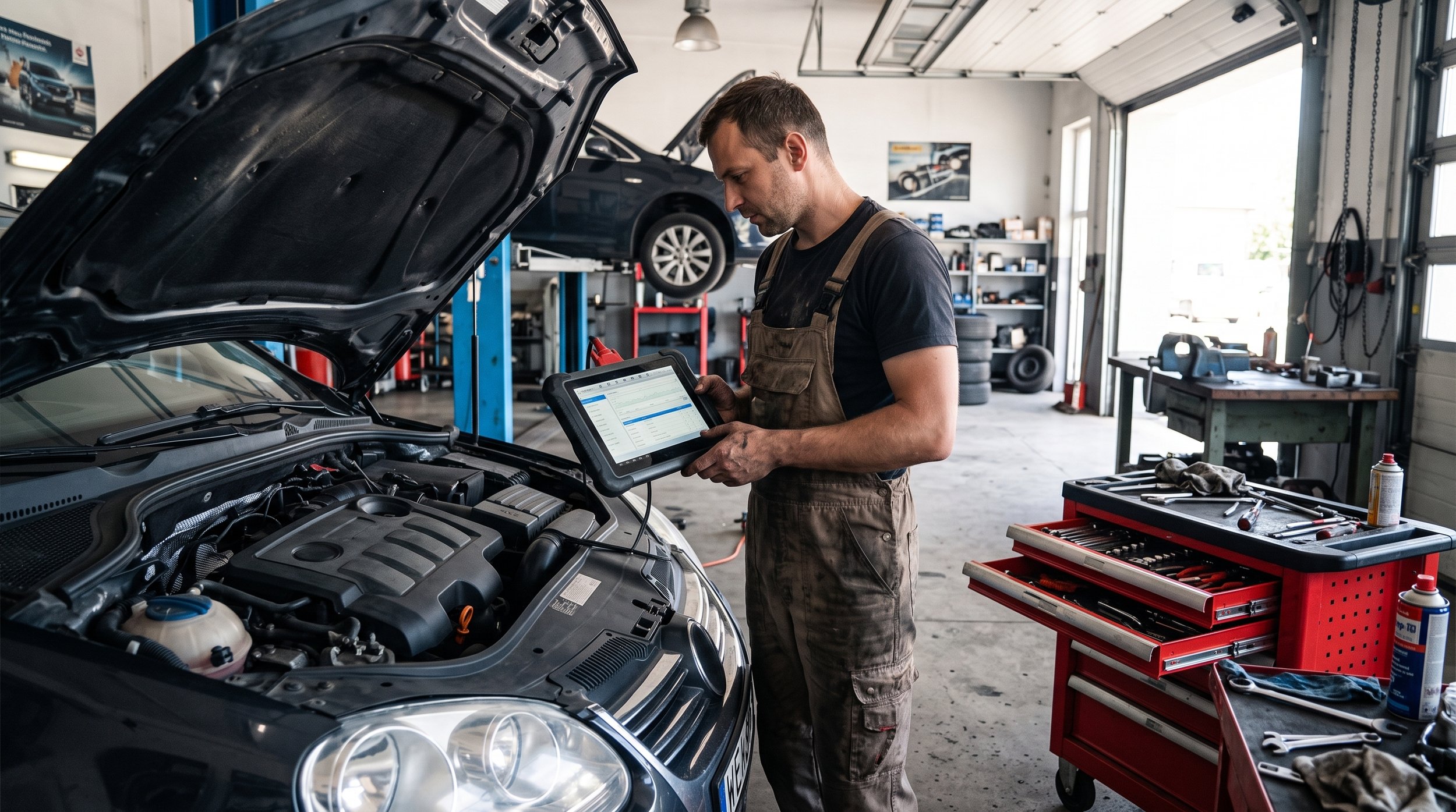
Telephone operators once connected calls manually. Dedicated typing roles became less necessary as office workers gained their own computers. Self-service checkouts have changed retail work, while modern mechanics use electronic diagnostic equipment alongside their mechanical knowledge.
These changes affected real livelihoods. People needed opportunities to learn, and that remains essential today.
Learning AI can help you keep your skills useful as working methods change. A colleague who combines professional experience with effective tools may complete comparable work faster. Using AI cannot guarantee job security, but developing that ability gives you more ways to contribute.
5. Make the change worthwhile for workers too
The International Labour Organization and NASK concluded in their 2025 assessment that transformation of jobs is more likely than complete replacement. That is an assessment of potential exposure, rather than a promise about employment.
Employers have choices about how to use the time saved. They can invest in training, reduce excessive workloads and help staff take on more valuable responsibilities. New work can also develop around implementing systems, checking their output and teaching teams to use them.
Start with one repetitive task. Record how long it takes, test a suitable tool and check the quality. Keep it if the improvement justifies the cost.
That gives both the business and its employees a concrete basis for deciding where AI belongs.